
16mm Full Blackout Cellular Shade Fabric: Deep‑Dive Into Performance, Design & Real‑World Use Cases
ODM OEM Elite Making Raw Material Pleated Honeycomb Cel…
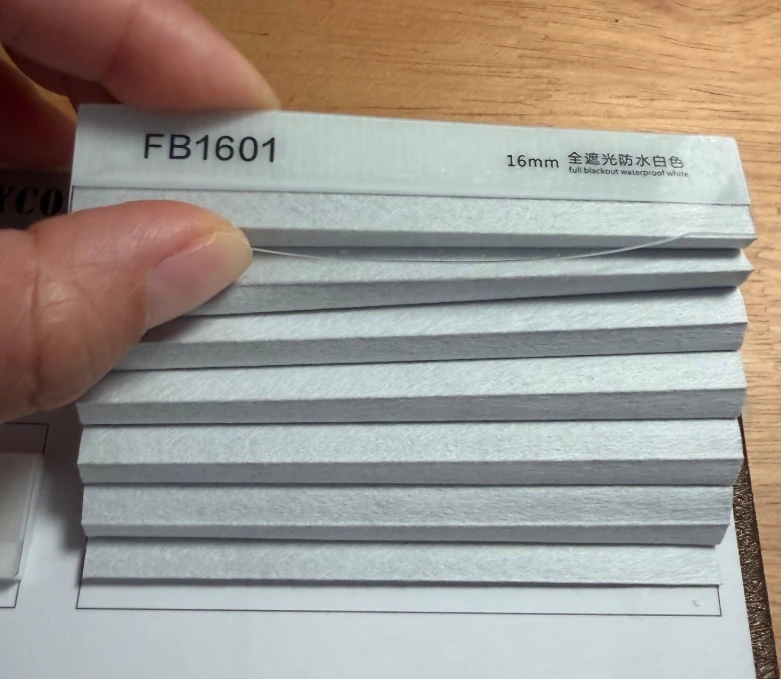
For buyers, designers & sourcing teams
CategoryUncategorized
Use this article as a technical reference. Contact us if you need fabric samples, specifications or project support.
If you have spent time researching premium window treatments for residential remodels, hotel fit‑outs, or media‑focused interior projects, you will inevitably run across 16mm full blackout cellular shade fabric. This specialized honeycomb material sits in a unique sweet spot within the window covering industry: it is not overly bulky like larger 20mm‑plus cell variants, yet delivers far stronger thermal performance and light blockage than slim 10‑12mm cell alternatives. Many homeowners and commercial specifiers initially only fixate on its full blackout capability, but there is a long list of hidden engineering details, real‑world pros and cons, installation nuances, and long‑term maintenance considerations that most product landing pages skip over. In this comprehensive blog post, we break down exactly what 16mm full blackout cellular shade fabric is, how its honeycomb construction works under everyday operating conditions, which spaces it shines in, common misconceptions shoppers run into, how to compare it against competing fabric grades, installation best practices, long‑term care guidance, and critical purchasing tips to avoid costly missteps for both home renovation and bulk commercial orders.
What Exactly Is 16mm Full Blackout Cellular Shade Fabric?
Cellular shade fabric, also widely known as honeycomb fabric, gets its name from interconnected hexagonal pockets formed by heat‑bonded polyester non‑woven textiles. The “16mm” measurement refers to the depth of each individual honeycomb cell, measured from front fabric face to the rear fabric face. A 16‑millimetre cell depth strikes a balanced middle ground: smaller than 20mm or 25mm large‑cell fabrics, but noticeably deeper than compact 10mm and 12mm cell options that dominate budget‑oriented product lines.
The term “full blackout” differentiates this material from light‑filtering and room‑darkening cellular fabrics. Light‑filtering honeycomb materials diffuse natural daylight while maintaining basic privacy, letting soft sunlight filter through textile pores.
Room‑darkening fabrics cut most incoming light but still allow minor light transmission, typically between 1‑5% total light penetration. Full blackout 16mm cellular fabric is constructed with an embedded opaque barrier layer inside each honeycomb cell structure, blocking virtually all visible light from passing through the fabric itself, usually 99.5%‑100% light blockage through the textile substrate.
Most 16mm full blackout fabrics on the global market are built from 99.9% high‑grade polyester non‑woven raw material, with integrated blackout barrier layers sealed into each hexagonal cell cavity during the manufacturing process. Premium‑grade stock, like the 16‑mm white blackout cellular shade fabric from Ankoda Blinds, adds extra functional treatments: formaldehyde‑free composition, carcinogen‑free and halogen‑free certification, water‑repellent surface finishing, and stable pleat memory so cells hold their neat folded shape through thousands of up‑and‑down operations.
A frequent misunderstanding among new buyers: full blackout fabric alone does not guarantee a pitch‑black room. The fabric stops light travelling through the material itself, but light can still leak through mounting gaps between shade edges and window frames, headrail openings, or bottom bar clearances. Achieving theatre‑level total darkness requires pairing this fabric with correct mounting strategies, optional side channel light seals, and precise measuring protocols, a topic we will explore in‑depth later in this article.
The Science Behind 16mm Honeycomb Cell Structure: Why Cell Depth Matters
To appreciate why 16mm is such a popular cell dimension for full blackout applications, you need to understand the core functional principle of cellular shades: static air trapped inside honeycomb pockets acts as a thermal buffer layer between your interior living space and window glass surface. Windows represent one of the biggest sources of home energy loss. In winter, cold outdoor temperatures transfer through glass panes and chill indoor air. In summer, solar radiation floods through windows, overheating rooms and forcing air‑conditioning systems to work overtime.
Each honeycomb cell creates stationary air pockets. Still air is a naturally poor thermal conductor, slowing conductive heat transfer between inside and outside window surfaces. Larger cell depths hold greater volumes of trapped static air, improving insulating capacity. However, extremely large cell sizes (25mm, 32mm) create bulkier fabric stacks when shades are fully raised, taking up more visual space at the top of your window opening, and they can appear overly heavy on modest‑sized residential windows.
On the opposite end, very shallow cell sizes (8‑12mm) stack compactly when retracted, but contain minimal air volume, delivering limited thermal insulation performance. That is where the 16mm cell enters the picture. It adds meaningful air‑trapping volume compared to slim‑cell fabrics for better thermal resistance, while avoiding the bulky stacked profile of extra‑large cell sizes. When fully rolled up, 16mm full blackout cellular shades maintain a neat, low‑profile headrail stack that preserves window sight‑lines, which is especially valuable for standard‑height residential bedroom windows, hotel guest room windows, and office partition glazing.
For full blackout variants specifically, the 16mm cavity creates enough internal space for the integrated opaque blackout liner without compressing or warping the outer non‑woven face fabric. In smaller‑cell blackout fabrics, inserting the blackout barrier inside narrow cells can distort pleat geometry, leading to uneven folding, creasing, and premature fabric fatigue with repeated use. The 16‑millimetre inner cell dimension gives manufacturing engineers room to embed the light‑blocking layer while keeping front‑side fabric texture smooth and pleats uniform across the full fabric roll width.
It is also worth noting acoustic performance differences. Honeycomb cells damp airborne ambient noise by breaking up sound waves passing through window glazing. Deeper cells deliver marginally better sound absorption. While 16mm cellular fabric will not replace dedicated acoustic wall panels, it delivers noticeable improvement over flat roller blind fabrics, softening traffic hum, outdoor conversation, and street‑side background noise for bedrooms facing busy roads, multi‑unit apartment dwellings, and hospitality environments.
Comparing 16mm Full Blackout Against Other Common Cell Sizes
| Cell Size | Core Strengths | Key Drawbacks | Best‑Fit Scenarios |
|---|---|---|---|
| 8‑12mm | Ultra‑compact stack when raised, low material cost, lightweight | Limited thermal insulation, restricted internal space for blackout liners, can wrinkle easily | Small utility windows, budget‑grade light‑filtering applications |
| 16mm | Balanced insulation, clean aesthetic profile, ample room for embedded blackout layers, moderate stack height | Insulation not as high as 20mm+ cells | Bedrooms, hotel rooms, home theatres, office private meeting rooms, most standard residential windows |
| 20‑25mm | Superior thermal performance, maximum air‑pocket volume | Thicker stack when retracted, visually heavy on small‑to‑medium windows | Large floor‑to‑ceiling windows, sunrooms, high‑energy‑loss glazing, cold‑climate locations |
Core Benefits of Working With 16mm Full Blackout Cellular Shade Fabric
1. Reliable Fabric‑Level Light Elimination for Rest & Media Environments
The primary selling point of full blackout 16mm cellular fabric is stopping light transmission through the textile itself. For bedrooms, even small amounts of overnight ambient light from street lamps, early‑morning sunrise, or neighbouring building illumination can suppress melatonin secretion and disrupt sleep cycles. Shift‑workers who sleep through daytime hours, families with young children needing consistent nap conditions, and home theatre enthusiasts all rely on zero fabric light penetration to create controlled dark environments.
Unlike coated roller blind fabrics where the blackout coating can crack, peel, or flake after repeated folding, quality 16mm full blackout honeycomb materials seal the opaque barrier inside each honeycomb cell, protecting the light‑blocking layer from surface abrasion and UV degradation. The outer decorative face fabric bears all wear and fold stress; the critical blackout core stays shielded within cell cavities, extending service life of the light‑blocking function.
2. Real‑World Energy Efficiency & Thermal Regulation
Heating and cooling expenses represent a substantial portion of household and commercial building operating costs.
Single‑pane and even double‑glazed windows allow significant heat exchange. 16mm full blackout cellular shades add a secondary insulating layer at the interior window surface. During hot summer months, closed shades trap static air between fabric and glass, reducing solar heat gain entering living areas and lowering air‑conditioning runtime. In cold winter seasons, that same trapped‑air buffer slows indoor heat escaping out through window panes, easing heating‑system load.
While exact energy savings fluctuate depending on local climate, window quality, mounting style, and how consistently you operate your shades, many building‑performance references confirm well‑fitted cellular window treatments can meaningfully reduce window‑related heat transfer. Unlike light‑filtering cellular fabrics, full blackout variants also block nearly all incoming ultraviolet radiation. UV rays are responsible for fading upholstered furniture, wooden finishes, artwork, carpets, and interior paintwork. By blocking UV radiation at the window, 16mm full blackout fabric helps preserve your interior furnishings and decor from sun‑caused degradation.
3. Versatile Material Properties for Residential and Commercial Projects
Premium‑spec 16mm full blackout cellular fabric comes with a suite of practical material attributes. Most quality stock is water‑repellent, resisting minor splashes, condensation droplets forming on cold winter glass, and high‑humidity fluctuations in bathrooms or kitchen spaces (though it is not designed for continuous direct water exposure). Top‑tier production runs eliminate formaldehyde, carcinogenic compounds, and halogen additives, which makes the fabric suitable for child‑focused spaces, hospitals, schools, and hospitality settings where indoor air quality is heavily scrutinized.
The polyester non‑woven base material delivers good tensile strength and pleat memory. Pleat memory means after thousands of cycles of raising and lowering the shade, honeycomb cells still spring back into neat, consistent hexagonal shapes rather than developing permanent lumpy creases or sagging sections. Cheap low‑grade cellular fabrics lose pleat shape rapidly; over one‑to‑two years, shades develop uneven, wrinkled appearances that ruin visual appeal and degrade thermal performance as cell geometry collapses.
4. Broad Compatibility With Multiple Operating Systems
16mm full blackout cellular shade fabric works seamlessly across nearly every common cellular shade operating mechanism. You can fabricate finished shades using cordless spring‑loaded manual systems, top‑down bottom‑up configurations, traditional cord‑pull setups, or low‑voltage motorized electric systems linked to smart home automation platforms. This flexibility is enormously valuable for specifiers. In a hotel project, for example, you can use the exact same base 16mm full blackout fabric across guest rooms: some rooms get simple cordless manual controls, while premium suites install silent motorized shades synced with room‑automation systems, keeping visual styling uniform throughout the property.
Mounting flexibility is another big advantage. Shades built with this fabric support inside‑ceiling mount within window recesses, face‑fix wall‑outside mounting above window frames, and even custom applications for select sloped skylight installations when paired with purpose‑designed hardware. Outside mounting is frequently recommended for users chasing maximum blackout performance, as mounting the shade to overlap past window frame borders minimizes light‑leak gaps around perimeter edges.
5. Neutral, Adaptable Interior Styling
A lot of people assume high‑performance blackout window fabrics must look heavy, dark, and visually imposing. 16mm full blackout cellular fabric breaks that stereotype. Even with internal opaque blackout layers, the outer face fabric is available in a wide palette of neutral tones: crisp white, soft off‑white, taupe, multiple grey shades, charcoal black, and subtle muted earth tones. The clean linear pleated profile suits minimalist contemporary interiors, traditional decor schemes, mid‑century modern homes, and commercial hospitality spaces alike. Unlike thick fabric draperies, cellular shades sit flush against window areas, they do not pile up on floor space, and they maintain a tidy uncluttered visual footprint.
White 16mm full blackout fabric remains the top‑selling variant for good reason: bright white reflects indoor ambient light, keeping rooms feeling spacious even when shades are fully lowered for blackout conditions. Darker blackout textiles can make rooms feel dim and enclosed, even with interior lighting switched on. White full blackout cellular material delivers complete light blockage from outside, while still bouncing artificial indoor light around the room, avoiding that cave‑like feeling that can plague dark‑coloured blackout solutions.
Real‑World Application Spaces: Where 16mm Full Blackout Cellular Shade Fabric Excels
Residential Bedrooms & Shift‑Worker Living Quarters
This is the number‑one use‑case. Whether you are renovating a primary bedroom, furnishing a teen bedroom, or creating dedicated daytime‑sleep space for night‑shift nurses, security staff, or remote workers with irregular sleep schedules, consistent darkness directly supports sleep quality. 16mm cell depth offers a balanced stack height. If you have standard‑height bedroom windows, when you lift shades fully open, the fabric stack at the headrail will not block excessive portions of your glass view. Many competing large‑cell blackout shades create bulky top stacks that obscure significant window surface even when fully retracted, cutting down natural daylight in morning hours when you want maximum light entry.
Home Theatre & Media Rooms
For dedicated home‑cinema spaces, controlling ambient light is everything. Even tiny light leaks wash out projected images, reduce contrast ratios, and ruin movie‑watching immersion. 16mm full blackout cellular fabric forms the textile foundation for high‑performance media‑room window treatments. Remember that fabric alone is only half the solution. To get authentic theatre‑grade darkness in your media room, combine this fabric with outside mounting with generous frame overlap, or add optional side light‑blocking channels to close off edge gaps where stray light creeps in.
Hospitality: Hotel, Motel & Serviced Apartment Guest Rooms
Hotel design teams rely heavily on 16mm full blackout cellular shade fabric for guest accommodation. Travellers arrive across wildly different time zones, and they need reliable darkness to sleep at any hour of day or night. Commercial‑grade 16mm full blackout material balances durability, fire‑safety compliance options, consistent aesthetics across dozens or hundreds of units, and reasonable wholesale cost. It holds up to heavy repeated guest usage far better than many cheap roller blind alternatives. Serviced apartments also benefit from its dual‑purpose performance: energy‑saving thermal insulation helps keep utility expenses stable for property operators, while full blackout delivers expected guest comfort. Many hotel projects pair 16mm full blackout cellular shades with sheer light‑filtering cellular layers to create day‑night dual‑shade assemblies, giving guests full control over light levels from soft daylight filtering to complete blackout conditions.
Private Office & Meeting Rooms
In corporate environments, conference rooms and private offices often need two conflicting features: glare reduction for video conferencing and screen‑based work, plus occasional full blackout for projector presentations. 16mm full blackout cellular fabric meets both demands. Lowered fully, it eliminates incoming sunlight so projectors render crisp images. Partially raised, its honeycomb structure still provides thermal insulation and UV protection for office furniture and electronic equipment. Cordless operating hardware removes dangling cords, creating clean, safe office aesthetics that meet modern commercial interior design standards.
Care Facilities, Dormitories & Educational Nap Rooms
Nursing homes, assisted‑living facilities, and university dormitories benefit greatly from formaldehyde‑free 16mm full blackout cellular fabric. Residents and students keep irregular sleep hours, and safe low‑emission textile materials are critical for indoor air quality.
Cordless operation eliminates strangulation hazards associated with looped pull cords, an important safety requirement in many institutional building codes.
Important Limitations & Common Misconceptions About 16mm Full Blackout Cellular Fabric
No window‑treatment material is perfect, and understanding drawbacks helps you set realistic expectations before you commit to purchase.
Myth 1: Full Blackout Fabric = Total Pitch‑Black Room
This is the most widespread misunderstanding. The fabric itself stops light passing through the material. Light will still sneak through narrow gaps between shade edges and window frames, around the headrail, and beneath the bottom weight bar, especially for inside‑recess mounting. Inside mount requires slight clearance gaps so the shade can slide up and down without jamming, and those small gaps create light halo leaks. If you require absolute near‑total darkness, choose outside mounting with ample overlap over window borders or install supplementary side channel light seals.
Do not expect inside‑fit installation alone to deliver zero‑light conditions, no matter how high‑grade your blackout fabric is.
Myth 2: Blackout Cellular Shades Are Completely Soundproof
16mm honeycomb cells improve sound dampening compared to flat blinds. That said, cellular shades cannot block heavy noise travelling through solid window glass. If you live next to extremely busy roadways or under flight paths, do not purchase 16mm full blackout cellular fabric expecting it to eliminate loud traffic noise. It softens mid‑range ambient noise, but glass itself remains the primary sound‑transmission point. For major noise problems, you need upgraded acoustic glazing alongside window coverings.
Limitation: Not Ideal for Constant Direct Water Exposure
Even water‑repellent 16mm full blackout cellular fabric is not a shower curtain. It tolerates occasional condensation on cold glass, minor kitchen splashes, and average bathroom humidity. Constant direct spraying water will saturate the non‑woven polyester, risking mould growth, weakening internal heat‑bond cell seams, and damaging the inner blackout barrier layer. For high‑moisture bathrooms with direct shower spray hitting windows, consider alternative covering solutions, or ensure adequate ventilation to keep fabric dry after bathing.
Limitation: Pleat Integrity Depends On Fabric Grade
Budget low‑cost 16mm full blackout fabric uses inferior non‑woven raw stock and weak thermal bonding between cell layers. After months of regular operation, pleats start to sag, cells lose crisp hexagonal shape, you get uneven rumpled fabric appearance, and both insulating and light‑blocking performance degrade. Always ask for physical fabric swatch samples before committing to large orders. Inspect sample cell bonding: cells should hold their rigid shape when flexed, seams should not separate easily, and no pin‑hole light points should show through the fabric when you hold the swatch up against a bright light source.
How 16mm Full Blackout Compares Against Other Blackout Window‑Treatment Options
Many shoppers cross‑compare honeycomb fabric against competing blackout solutions. Let’s break down practical comparisons:
16mm Full Blackout Cellular Shades vs Blackout Roller Blinds
Roller blackout blinds use flat fabric with surface‑applied blackout coating. Pros of roller blinds: very low material cost, simple production, huge maximum fabric widths for oversized glazing. Cons: flat single‑layer fabric delivers almost no thermal insulation value. The surface blackout coating is exposed; over time folding and rolling can make coating crack and peel, creating pin‑hole light leaks. Cellular 16mm full blackout hides the blackout liner inside honeycomb cells, protecting the light‑blocking layer. Plus the honeycomb air pockets add real thermal insulation benefit. Roller blinds win for ultra‑wide oversized windows; 16mm cellular shades deliver superior year‑round comfort and energy performance for most standard‑sized windows.
16mm Full Blackout Cellular Shades vs Blackout Drapery Curtains
Fabric blackout drapes can achieve excellent darkening, especially when paired with double layers and blackout liners. However, heavy drapes stack to window sides, occupying wall space. They collect dust deep within fabric folds, and they do not provide meaningful insulating air‑gap next to glass surface. Cellular shades sit directly against the window glass plane, creating a trapped‑air thermal barrier. Many modern interior designers combine both solutions: install 16mm full blackout cellular shades for functional light‑control and insulation close to glass, then add lightweight decorative side drapes purely for aesthetic softness.
16mm Full Blackout vs Double‑Cell Full Blackout Cellular Fabric
Double‑cell cellular fabrics stack two honeycomb layers, creating dual sets of air pockets for enhanced insulation and noise reduction. But double‑cell materials produce significantly thicker fabric stacks when shades are raised, and they carry higher material price tags. For temperate climate zones without extreme winter cold or summer heat, single‑cell 16mm full blackout often strikes the best balance of performance, visual profile, and budget. Reserve double‑cell variants for locations with extreme temperature swings, old single‑glazed windows with very high heat‑loss rates.
Critical Buying, Measuring & Installation Guidance for 16mm Full Blackout Cellular Shades
Great fabric results can be completely undermined by sloppy measurement, poor mounting choices, or incompatible hardware. Below are actionable tips for DIY homeowners and commercial project specifiers.
Step 1: Clarify Your Darkness Requirements Upfront
Ask yourself: do I only need fabric that blocks light passing through material, or do I need near‑zero‑light room conditions?
- If you just want to eliminate sunlight transmission through fabric and accept minor edge light halo: standard inside‑recess mount works well.
- If you need near‑complete blackout for sleep‑critical bedrooms or media rooms: prioritize outside mount with generous overlap over window frame (minimum 2‑3 inches overlap on left and right sides, 3‑4 inches overlap above window header). Or plan to incorporate side light‑sealing channels into your hardware specification.
Step 2: Accurate Measuring Protocols
For inside‑recess installation: measure window opening width in three distinct positions (top, middle, bottom), record the narrowest dimension for ordering width. Measure height in left, centre, right positions, take the longest height reading. Fabric will be slightly trimmed narrower than raw opening measurement to create essential operating clearance.
Understand that this clearance is where minor light leakage originates, it is unavoidable for inside‑mounted moving shades.
For outside wall mounting: measure your window frame outer width, then add your desired overlap on each side. Measure from your intended top mounting point down to where you want the bottom bar to terminate, adding extra length to cover below window sill for optimal light blocking.
Always double‑check if your window frames are perfectly square. Out‑of‑square window openings create uneven gaps even with premium fabric and hardware. In non‑square window scenarios, outside mounting or side channels perform far better than inside recess fitting.
Step3: Fabric Sample Evaluation Before Bulk Order
Never finalize large residential or commercial orders sight‑unseen. Request physical fabric swatches of 16mm full blackout cellular fabric. Perform these simple tests:
- Hold swatch directly up against bright lamp or window sunlight: verify zero visible pin‑hole light penetration through textile itself.
- Flex the honeycomb sample back and forth multiple times: check cell seams do not split apart, pleats spring back to crisp hexagonal geometry.
- Examine surface finish: check for uneven printing, discoloration, or loose fibre shedding.
- Review material safety documentation: confirm formaldehyde‑free, carcinogen‑free certifications if you are outfitting bedrooms, childcare spaces, or healthcare projects.
Step4: Choose Suitable Operating Hardware
- Cordless spring manual system: Best for most residential bedrooms, eliminates dangling cords for child‑safe homes. Good for moderate‑size window dimensions. Note: very tall, heavy full‑blackout cellular fabric shades can place high load on spring mechanisms, confirm hardware weight ratings match finished shade weight.
- Top‑down bottom‑up: Perfect for ground‑floor bedrooms. You can lower shade from top to block upper harsh sunlight while retaining lower‑window view and privacy, or pull up from bottom to cover lower window while keeping top glass exposed.
- Motorized electric: Ideal for high‑to‑reach windows, large heavy shades, smart‑home integrated houses, and hotel commercial projects. Silent low‑voltage motors are strongly recommended for bedroom and hospitality environments to avoid operating noise disrupting rest.
- Avoid cheap thin plastic component hardware. Full blackout cellular fabric is heavier than lightweight light‑filtering honeycomb materials. Low‑grade plastic brackets and clutch mechanisms wear quickly under extra fabric weight, leading to slipping shades and early hardware failure. Invest in reinforced nylon or aluminium hardware rated for blackout fabric weight loads.
Maintenance & Long‑Term Care for 16mm Full Blackout Cellular Shade Fabric
With reasonable care, high‑quality 16mm full blackout cellular shades can deliver 7‑10 years of reliable service life, and even up to 15 years with gentle consistent maintenance. The internal blackout barrier layer can degrade if you mistreat the fabric, so follow these care rules:
- Regular light dust removal: Use soft upholstery brush vacuum cleaner attachment, run gently across expanded honeycomb cells. Vacuum at low suction power to avoid stretching or snagging non‑woven fabric. Do not press hard into cell cavities. Regular dusting prevents dust build‑up inside honeycomb pockets that dull fabric appearance over time.
- Spot‑cleaning minor stains: Prepare luke‑warm clean water mixed with tiny amount of mild pH‑neutral dish soap. Use clean soft lint‑free cloth, barely dampen cloth (do not soak). Dab stained spots gently. Immediately follow with another damp clean cloth to wash away soap residue. Finish by blotting with dry towel to pull away surface moisture. Let shades fully expand and air‑dry completely before you retract them upwards. Never saturate full blackout cellular fabric. Excess water can dissolve internal cell‑bonding points and damage embedded blackout liner, causing permanent creases or light‑leak pin‑points.
- Do not submerge, do not machine‑wash: You cannot pull down cellular shades and toss them into washing machines or bathtubs for full immersion cleaning. Immersion washing destroys the heat‑bonded honeycomb cell construction and ruins the blackout barrier layer.
- Avoid harsh chemical cleaners: Bleach, ammonia‑based cleaning sprays, aggressive stain removers will degrade polyester fibres, break down blackout inner layers, and cause irreversible discoloration. Stick to mild neutral soap solutions only.
- Operating best practices: When adjusting cordless shades, use even, steady vertical pressure on bottom bar. Avoid sharp jerky tugs, which strain internal spring assemblies and stress honeycomb cell bonds. For motorized shades, do not obstruct fabric travel path; obstructions can over‑tax motor units and crease fabric.
- Humidity management: In bathrooms and kitchens, run exhaust ventilation fans to reduce prolonged high‑humidity exposure. If condensation collects heavily on window glass against your shade, drop shade slightly away from glass surface where possible to encourage air circulation and prevent trapped dampness between fabric and pane.
Need help choosing the right cellular shade fabric?
Send us your application, light-control requirement, pleat size and estimated quantity. We can recommend suitable fabrics and sample options.
Related Articles
Explore more practical guides, product knowledge and window covering insights.
Honeycomb Shade Fabric: A Complete Guide to Performance,
Honeycomb shade fabric combines light control, thermal ins…
READ ARTICLE →
Pleated Blinds Fabric: Everything You Need To Know
Professional-Grade Manufacturers Pvc Pleated Honeycomb Cel…
READ ARTICLE →
The Engineering of Elegance: A Deep Dive into Honeycomb
26mm Electric Built-In Plain Honeycomb Curtain Fabric Wate…
READ ARTICLE →